Choose Seattle Siding Services for High-Performance Exterior Improvements
Superior Exterior Cladding Assistance for Your Home Overhaul
Revamping a home often starts with its exterior. Top-quality siding services play an essential role in enhancing both appearance and functionality. Homeowners face a multitude of options, from vinyl to fiber cement. Each choice presents unique benefits and challenges. Understanding these aspects is vital for making an well-reasoned choice. The implications of siding selection extend beyond aesthetics. What factors should one consider to guarantee lasting value and performance?
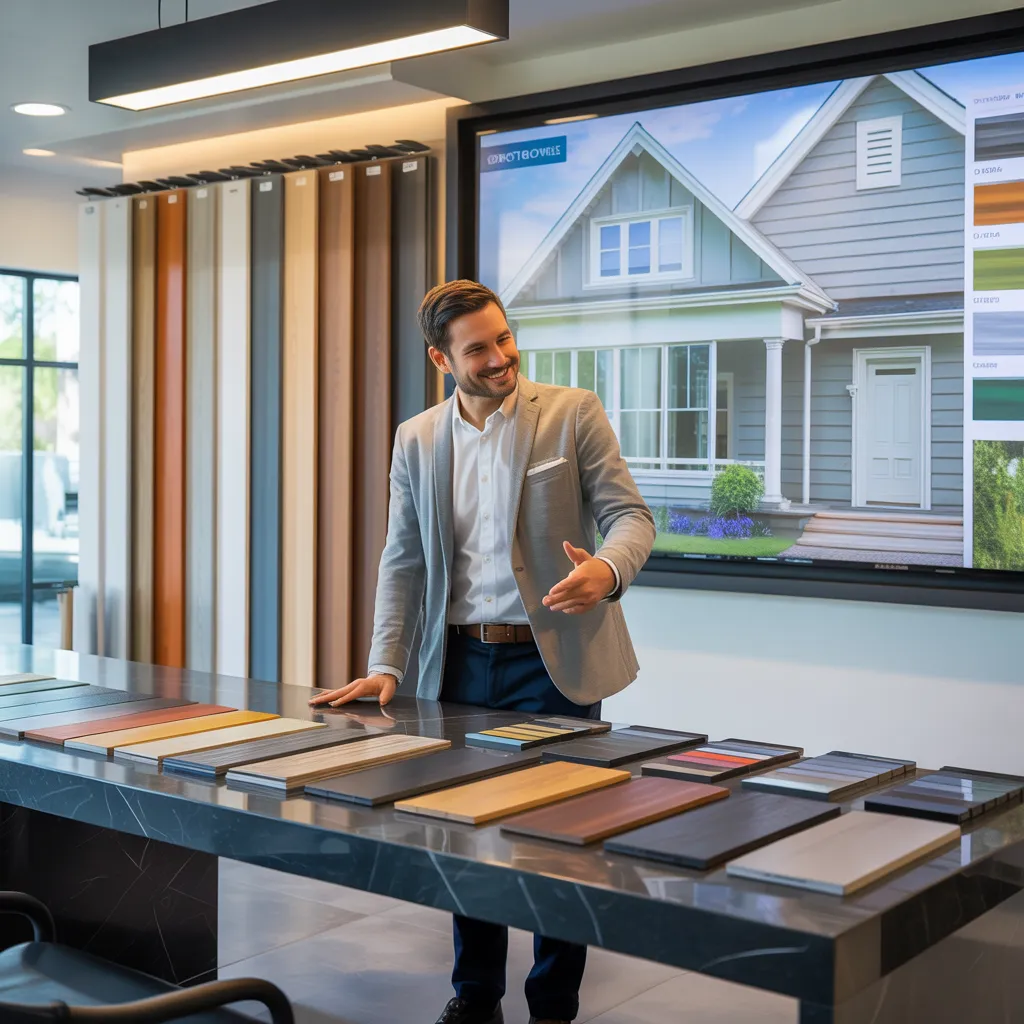
Why Professional Siding Plays a Role for Your Home
Why is professional siding installation vital for a home? The quality of siding significantly affects a home's aesthetic appearance, thermal efficiency, and structural stability. Professional installation guarantees that the siding is applied correctly, minimizing the probability of leaks, mold growth, and pest problems. In addition, professional siding services typically come with guarantees that shield the homeowner's financial investment, delivering peace of mind from likely damage.
Additionally, experts are equipped with the expertise to handle various materials and local building codes, guaranteeing compliance and longevity. Proper siding can also boost a home’s market value, making it more appealing to prospective buyers. In contrast, DIY installations may lead to costly errors and inferior results. As a result, investing in professional siding is essential for maintaining a home’s beauty and functionality, ultimately contributing to a safer and more comfortable living environment.
Examining Numerous Siding Products: Which One Is Appropriate for You?
When considering siding options, homeowners face a variety of materials, each providing unique advantages. Vinyl siding is known for its budget-friendly nature and low maintenance, while wood siding offers classic aesthetics that boost curb appeal. Meanwhile, fiber cement stands out itself for its superior durability and strength against the elements, making it a viable choice for many.
Vinyl Siding Perks
While homeowners often encounter a range of choices when selecting siding materials, vinyl siding rises above because of its distinctive blend of durability and low maintenance. This product resists rot, pests, and extreme weather, making it an excellent pick for various climates. Additionally, vinyl siding comes in a wide-ranging selection of colors and styles, causing versatility in design without the requirement for frequent repainting. Its affordability in comparison to other siding options makes it accessible to many homeowners, while a simple cleaning routine ensures it remains visually appealing over time. Plus, vinyl siding enhances energy efficiency, helping to lower heating and cooling costs. All in all, these attributes make vinyl siding a compelling choice for home renovations.
Wood Siding Aesthetics
While plastic siding offers practicality, wood siding charms with its natural beauty and timeless appeal. The prominent grains and warm tones of wood create an comfortable environment, enhancing a home's exterior charm. Available in multiple types, like cedar, pine, and redwood, wood siding allows homeowners to tailor their design choices. Its multi-functionality can blend with different architectural styles, from traditional lodges to modern designs. Additionally, wood siding can be painted or dyed to achieve the desired look, enabling further personalization. However, the individual wood grains and natural variations in color offer a one-of-a-kind character that man-made substances typically miss. Consequently, wood siding remains a favored selection for those seeking an refined earthy look for their homes.
Fiber Cement Robustness
Fiber cement siding is known for its notable durability, making it a strong contender in the arena of home exteriors. Made from a combination of cement, sand, and cellulose fibers, this material stands up to rot, warping, and insect damage. Unlike wood, fiber cement does not succumb to moisture-related problems, providing long-lasting performance even in extreme climates. Its resistance to fading and cracking also helps maintain its longevity, requiring maintenance over the years. Furthermore, it can be painted in various colors, enabling homeowners to tailor aesthetics without jeopardizing durability. This combination of strength and versatility makes fiber cement siding an ideal choice for those wanting both form and function in their home improvement projects.
How Siding Enhances Energy Efficiency and Comfort
Siding functions as an key component in boosting a home's thermal performance and livability. Its thermal insulation can substantially reduce thermal loss, while advanced air sealing methods help maintain a steady indoor environment. As a result, homeowners can enjoy cheaper energy bills and improved overall comfort.
The Thermal Properties of Siding
A well-insulated home can greatly increase both energy efficiency and comfort. Siding has a key role in achieving this by adding an supplemental layer of insulation. Various siding materials, like insulated vinyl or fiber cement, are maximize the reduction of heat transfer, keeping homes warmer in winter and cooler in summer. This thermal barrier lowers the workload on heating and cooling systems, leading to lower energy bills. Furthermore, the insulation properties of siding support a more consistent indoor environment, raising overall comfort. By selecting top-grade siding with exceptional insulation, homeowners can gain a more energy-efficient home while also enjoying improved noise reduction and durability. These factors make siding a smart investment in home improvement.
Techniques to Prevent Air Leakage
Preventing air leakage is necessary for optimizing energy efficiency and comfort within a home. Proper siding installation remains a vital factor in this process. Quality siding materials, such as fiber cement or vinyl, often feature interlocking designs that close openings, reducing the potential for air infiltration. Additionally, employing dependable sealing methods, like caulking and weather stripping, fortifies the barriers against unwanted drafts. Insulation behind the siding also contributes greatly by preserving stable interior conditions. Regular maintenance, including inspections for cracks and wear, guarantees that the siding continues to achieve optimal results. By addressing air leakage through thoughtful siding choices and meticulous installation, homeowners can achieve remarkable energy savings and improved indoor comfort year-round.
Key Factors to Look for in High-Efficiency Siding?
When evaluating energy-efficient siding, homeowners often wonder what important elements to prioritize. First and foremost, insulation value is vital; siding with a high R-value indicates superior insulation properties, which helps maintain indoor warmth. Homeowners should also select materials that are resistant to moisture and mold, as these can damage energy efficiency over time.
An important feature is the siding material's capacity to reduce air infiltration. Products with snug seams and interlocking panels can minimize drafts. Additionally, reflective surfaces that deflect sunlight can enable keeping homes fresher in the summer.
In conclusion, green materials that advance sustainability can be positive. Possibilities such as fiber cement or engineered wood not only present durability but also maximize energy efficiency. By weighing these elements, homeowners can make sound decisions that ensure lower energy bills and a more pleasant home environment.
Essential Criteria for Choosing the Right Exterior Cladding
Determining the suitable siding material involves multiple important factors that go beyond power savings. Property owners should prioritize durability, as materials including vinyl or fiber cement can resist harsh weather conditions. Visual attractiveness is also essential; the siding should match the property's design style while aligning with individual taste. Care needs vary widely among materials; wood may demand regular refinishing and repainting, whereas vinyl generally requires minimal maintenance.
Price is another important factor, incorporating both upfront costs and ongoing expenses. Sustainable options, including reclaimed wood or recycled materials, may attract eco-aware homeowners. Additionally, regional weather patterns should affect your choice, as some products perform better in specific environments. Finally, property owners should evaluate the availability of cladding choices in their region, as this could affect both choice and installation processes. Taking a thoughtful approach will ensure that the chosen siding improves both the home's value and exterior attractiveness.
The Importance of Installation for Prolonging Siding Life
Correct placement is important for preserving the longevity of siding materials. When siding is installed properly, it forms a secure barrier against environmental elements, decreasing the risk of damage from dampness, wind, and pests. Incorrect positioning or improper sealing during installation can lead to gaps that allow water infiltration, ultimately causing mold growth and structural damage.
Also, respecting manufacturer guidelines during installation is required. Each siding material has specific requirements that, when followed, promote durability and performance. For instance, improper nailing techniques or inadequate insulation can undermine the integrity of the siding, leading to premature deterioration.
Furthermore, expert setup often contains quality checks and guarantees, giving homeowners with confidence. Investing in a skilled installation team not only guarantees aesthetic appeal but also protects the siding investment, extending its lifespan and performance. Proper installation, consequently, is an crucial element in preserving the protection and value of a home.
Guidelines for Looking after Your Siding for Long-lasting Beauty and Safety
Maintaining siding requires consistent attention to ensure its visual beauty and protective qualities endure over time. Property owners should commence with routine inspections to identify any indicators of deterioration, such as cracks or bending. Scrubbing the siding every 180 days is important; using a gentle soap and soft brush can stop the gathering of dirt and mildew. Additionally, checking the sealant around windows and doors helps to prevent moisture seepage, which can cause more major concerns.
It is also wise to repaint or stain wood siding every few years to preserve its integrity and appearance. For vinyl siding, a basic cleaning with a garden hose is often adequate. Homeowners should be conscious of overhanging trees that can damage or scratch siding and cut them down as needed. By applying these maintenance tips, homeowners can confirm their siding stays attractive and functional for years to come.
Frequently Asked Questions
How Might I Identify Evidence of Compromised Siding?
To identify indicators of siding damage, one should check for cracks, warping, peeling paint, mold growth, and gaps between panels. Additionally, monitor for moisture inside the home, which may indicate foundational concerns with the siding.
How Long Is the Average Lifespan of Different Siding Materials?
The typical duration of exterior cladding differs: wood lasts 20-40 years, vinyl 20-30 years, fiber cement 25-50 years, and aluminum about 30 years. Elements like climate and maintenance can significantly affect these timeframes.
Is a Permit Necessary for Siding Installation?
Whether a authorization is necessary for siding installation is based on local regulations. Usually, homeowners should reach out to their municipal building department to confirm conformity with any essential authorizations and to prevent potential charges or project setbacks.
Can I Install New Siding Over Current Siding?
Yes, modern cladding can frequently be affixed over current siding material, provided the underlying structure is sturdy and meets local building codes. However, careful inspection and potential moisture barriers should be considered to assure extended longevity.
How Does Siding Affect My Home's Resale Value?
Siding profoundly influences a home's resale value by elevating curb appeal and operational efficiency. Excellent materials and professional installation can interest potential buyers, relevant resource possibly increasing offers and cutting time on the market, eventually yielding a higher return.